01
Pockets and compartments for your tools
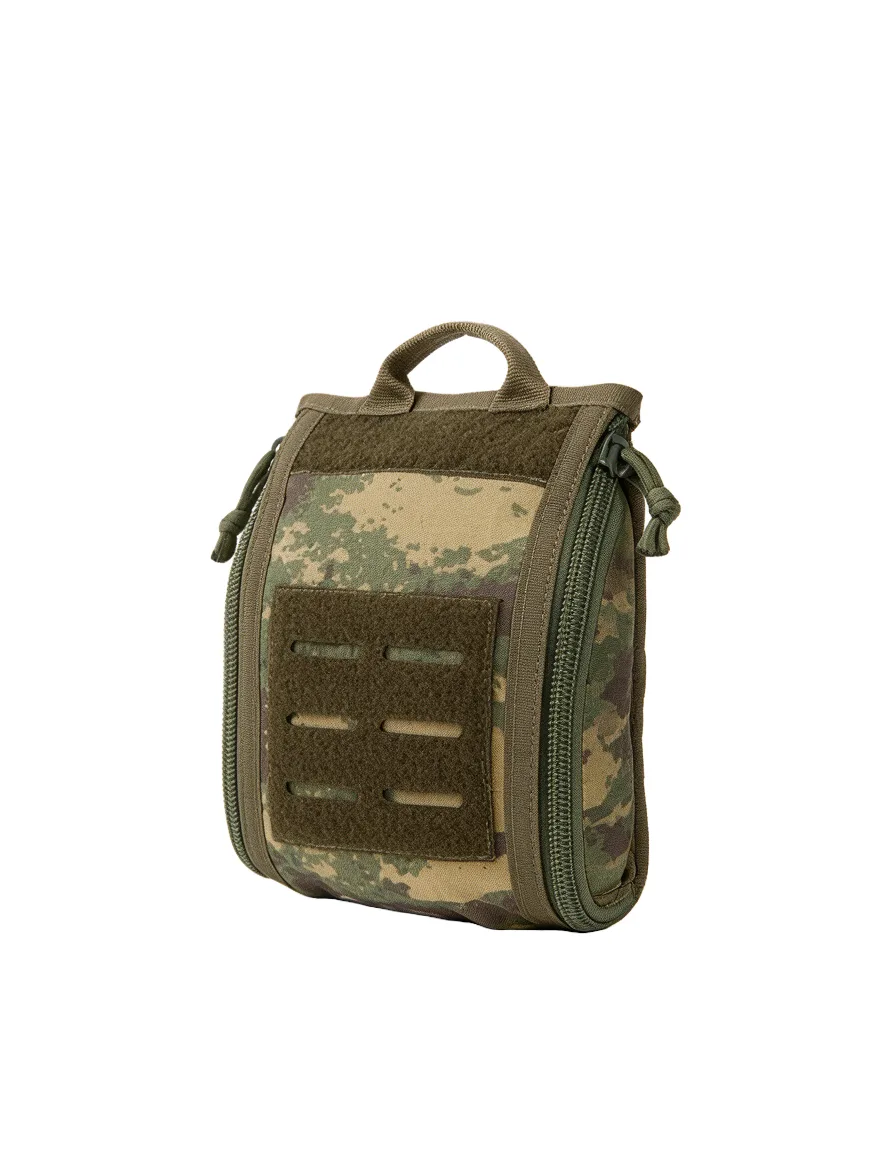
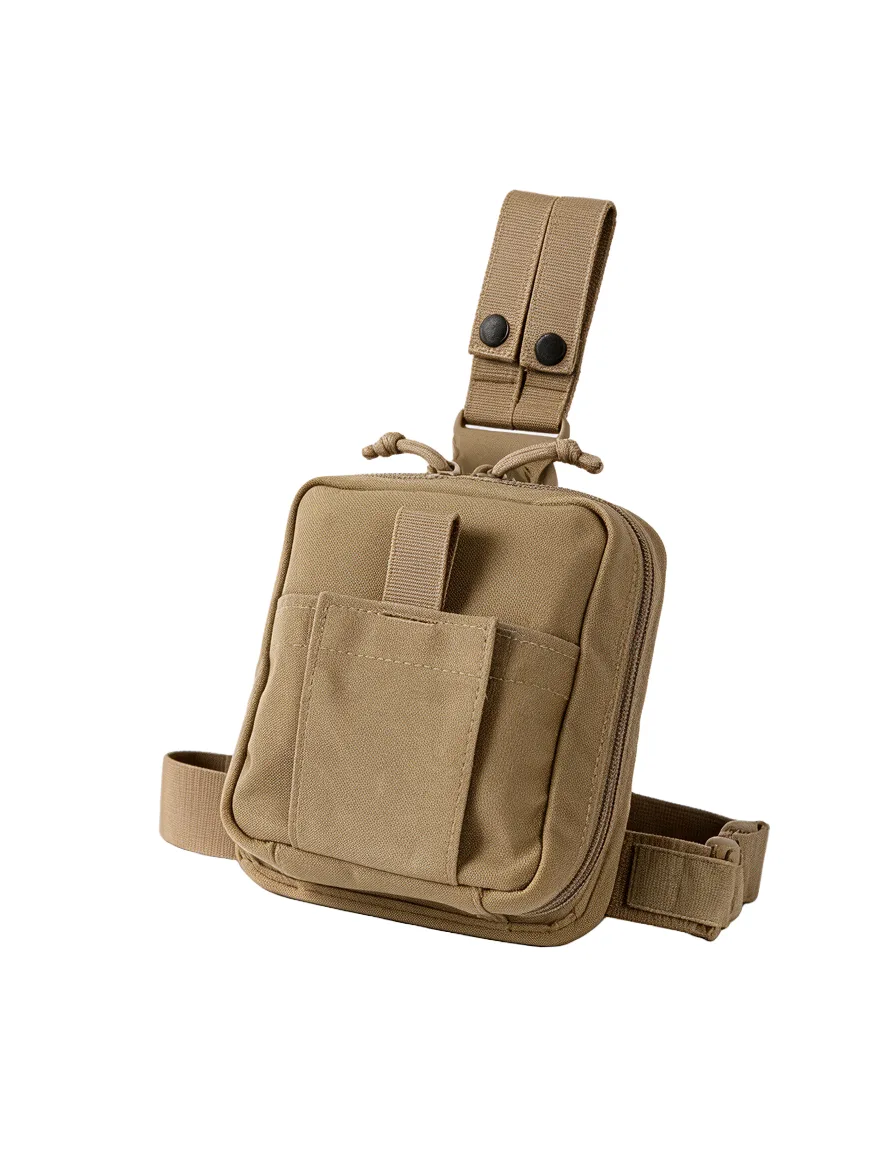
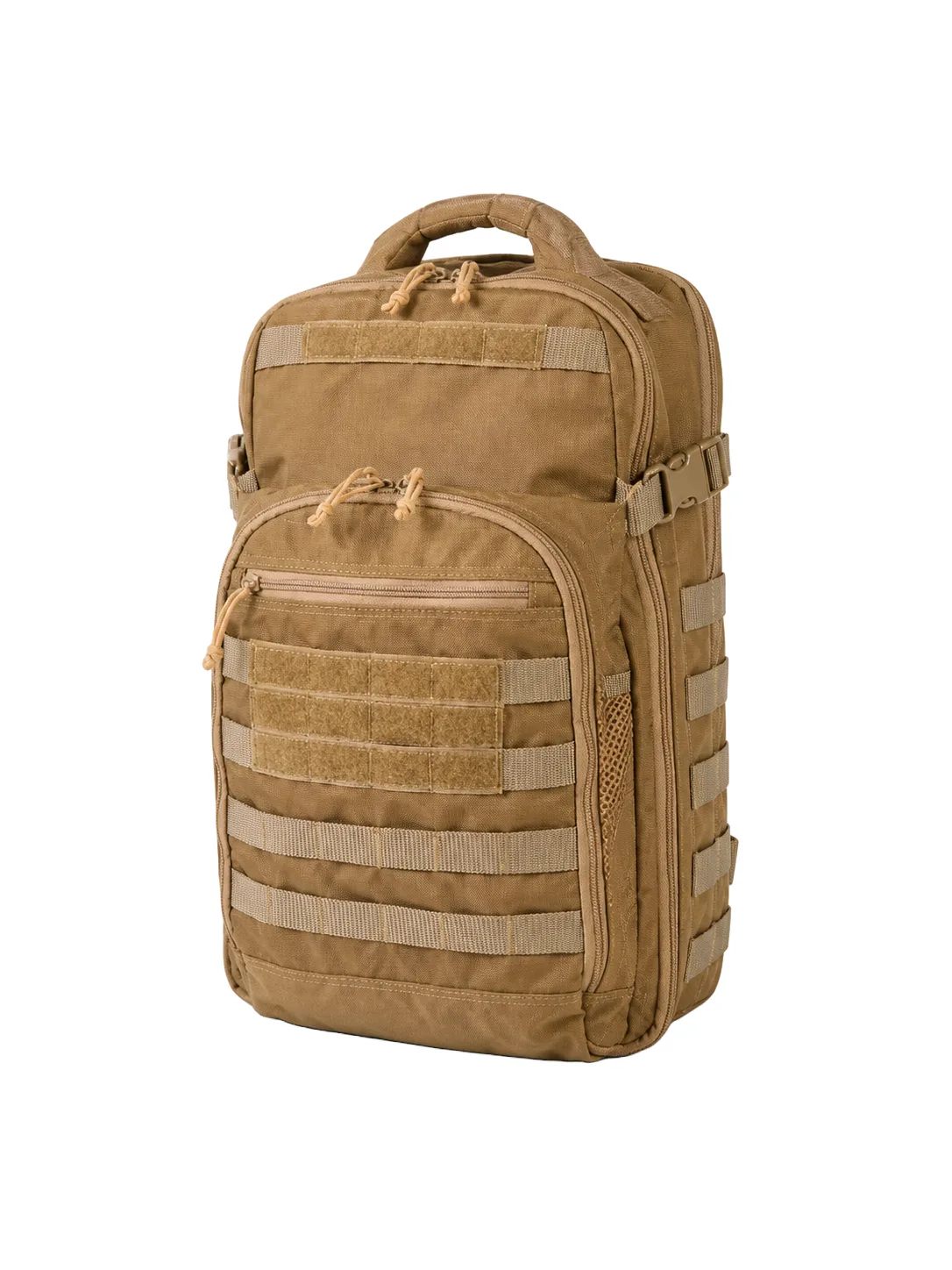
Access to frequently used tools, separation of small spare parts and control of movement inside the bag are planned together. The largest item provides the starting dimensions, with additional space assessed for other tools and consumables. If the bag also carries a measuring device, its accessories and any need for a separate protective layout are considered from the start.
Explore custom equipment carrying solutions02
Hand, shoulder or backpack carrying
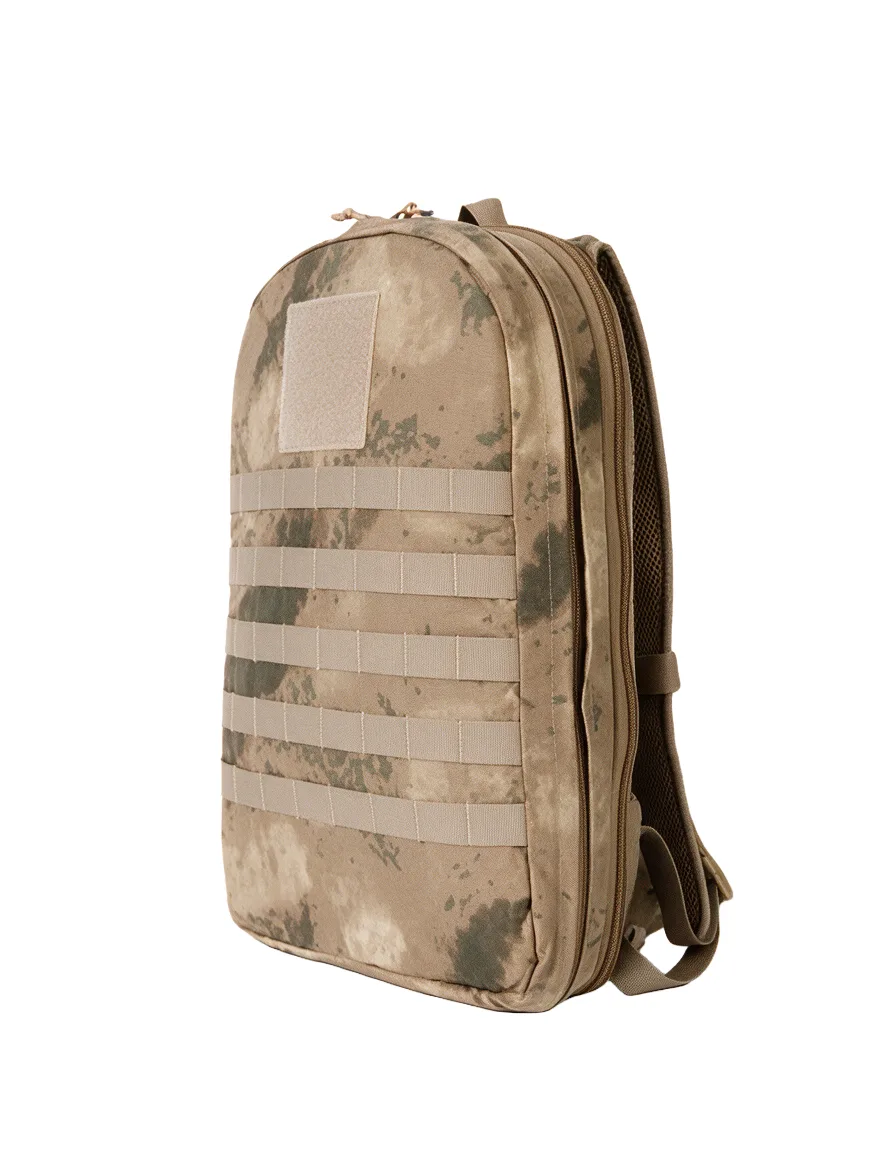
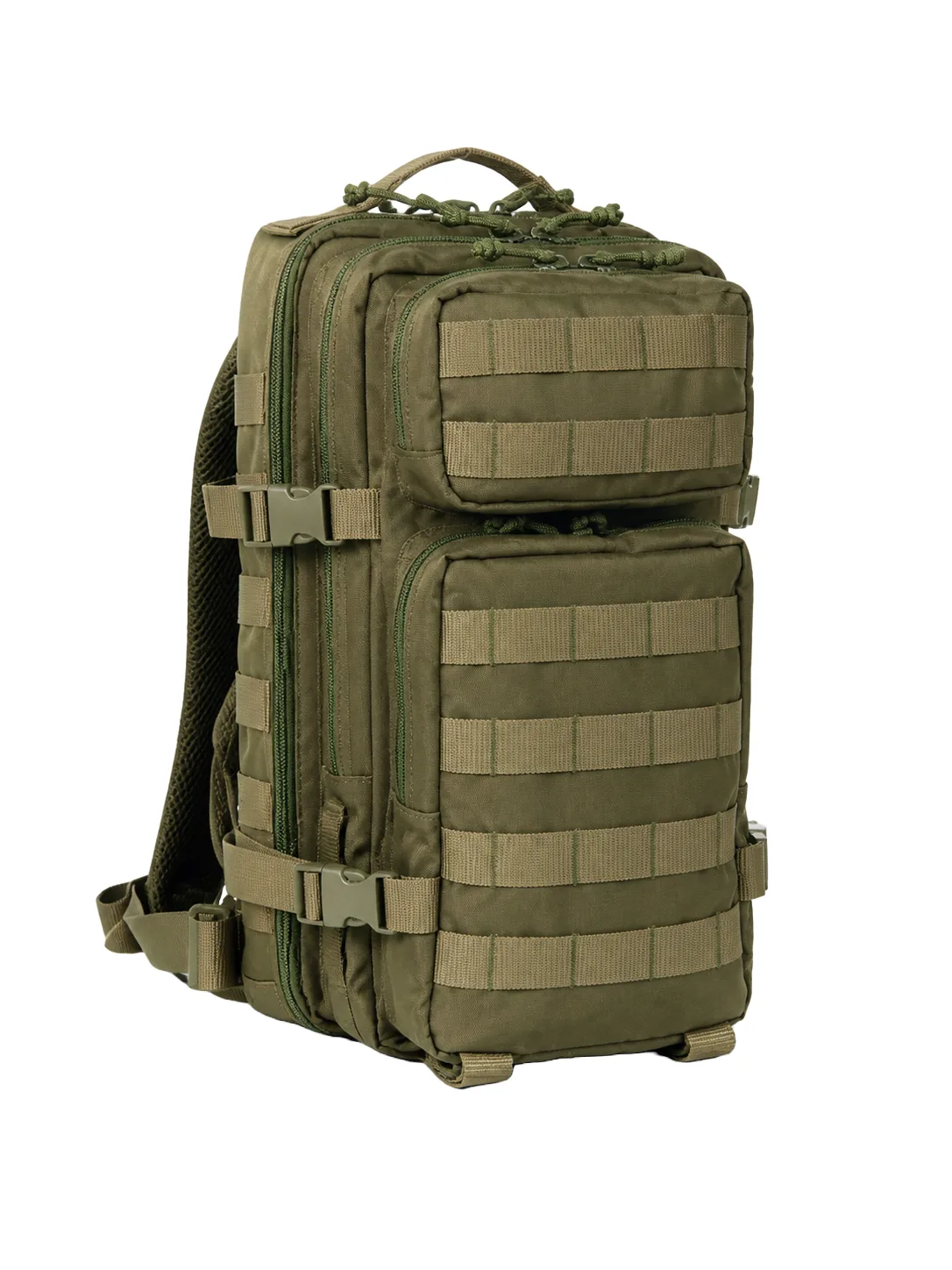
Choose the carrying format for the work, as well as the bag's appearance. Walking distance, the need to keep both hands available and the total load guide the assessment of handles, shoulder straps and backpack formats. Access to tools with the bag open and balance when closed are checked together in the sample.
03
Materials and custom manufacturing scope
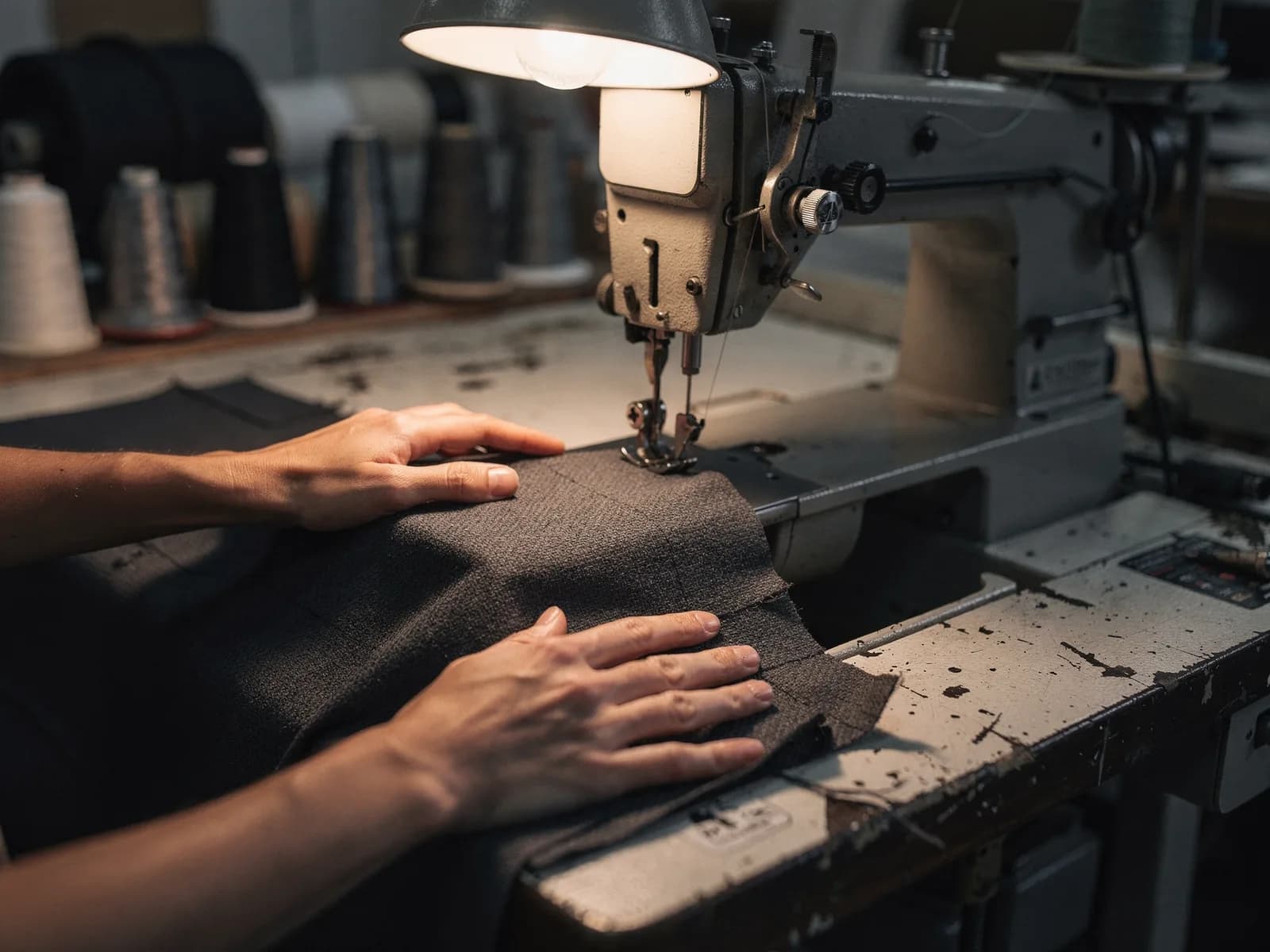
Total load, contact surfaces and cleaning needs influence fabric, base, lining, pockets and handles. Load capacity is assessed for the complete model; a fabric property alone does not determine carrying capacity. Brand colours and logo requirements are agreed alongside the material and application method. Final specifications and any testing requirements are approved before production.
04
Prepare for quotation and sampling
Share your tool list, largest item dimensions, total load, the number of bags your team needs and any branding artwork. Tell us about access or layout problems with an existing bag to help plan the new model. Access sequence, carrying balance and layout are evaluated in the sample. Minimum quantity, price and delivery schedule are established in the quotation for the agreed model, materials and approval scope.